What to Expect During a Commercial Foundation Inspection
People seeking what to expect during a commercial foundation inspection can rely on local service providers to assess foundation stability and identify potential issues effectively.
Understanding what to expect during a commercial foundation inspection can help property owners feel more prepared for this important assessment. Whether you're overseeing a new construction project, evaluating an existing building, or addressing concerns about structural stability, knowing the inspection process provides clarity and peace of mind. Local contractors who specialize in foundation evaluations use a systematic approach to identify potential issues, assess structural integrity, and recommend necessary repairs or preventative measures. Exploring this topic ensures you're informed about the steps involved and how experienced service providers can support your property’s long-term stability.
For property owners in the area, a foundation inspection is a practical step to safeguard investments and maintain safety standards. Regular inspections can uncover early signs of foundation movement, cracks, or settling that might otherwise go unnoticed until more significant problems develop. Local service providers are equipped to perform thorough evaluations, offering insights that help inform maintenance decisions or future construction plans. Continuing to learn about what to expect during a commercial foundation inspection empowers owners to make informed choices and connect with trusted professionals who can handle the work effectively.
- Commercial building owners - when signs of foundation issues arise, local contractors perform thorough inspections to assess structural integrity.
- Property managers - during routine evaluations or before leasing, service providers evaluate foundations to identify potential concerns.
- Business owners - if there are noticeable cracks or uneven floors, local pros conduct detailed inspections to determine the cause.
- Real estate developers - prior to purchasing or selling commercial properties, experts evaluate foundations to support informed decisions.
- Construction companies - during project planning or after construction, local contractors inspect foundations to ensure stability and compliance.
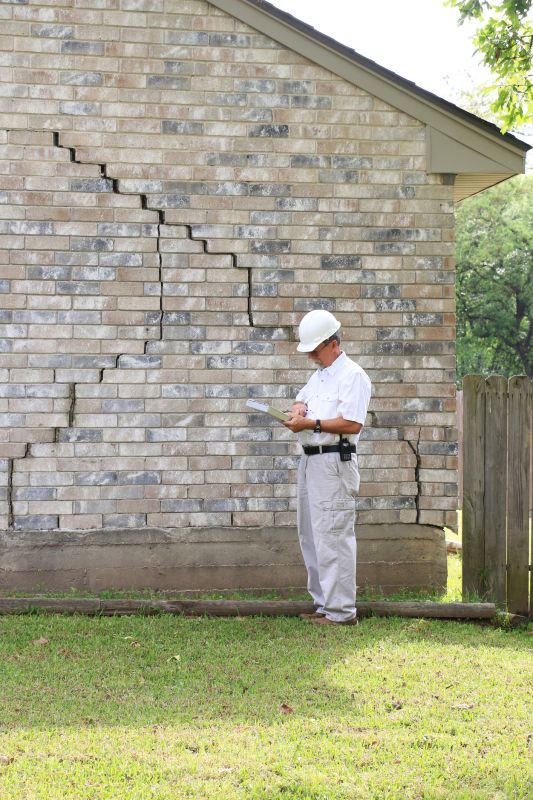

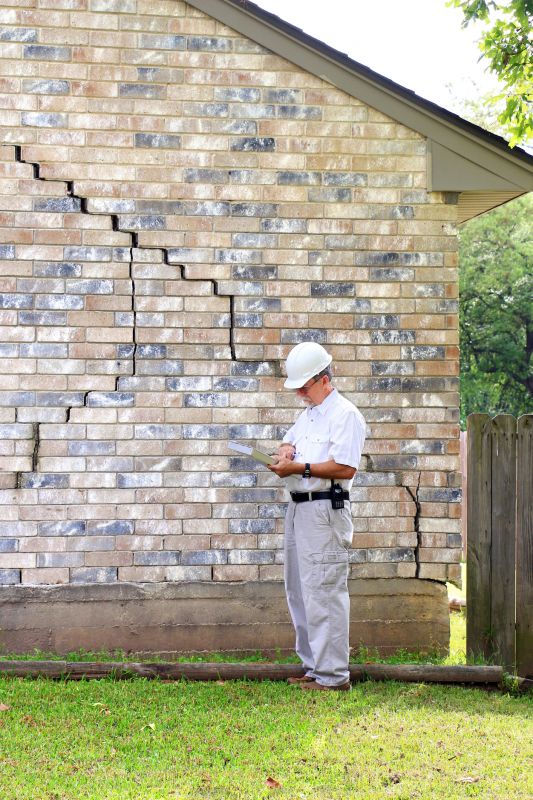
A commercial foundation inspection is a critical step for property owners, developers, or investors who want to assess the structural integrity of a building’s base. When searching for information about what to expect during this process, many people are interested in understanding how the inspection is conducted, what kinds of issues might be identified, and how these findings could impact their plans. Typically, the goal is to evaluate whether the foundation is sound or if there are signs of problems such as settling, cracking, or moisture intrusion that could compromise the building’s stability. This type of inspection is especially relevant for properties that are older, have experienced previous damage, or are undergoing renovations or expansion projects.
The scope of a commercial foundation inspection often relates to identifying existing problems or preventing future ones. Common issues that may be uncovered include cracks in the concrete, uneven settling, or signs of water damage that can weaken the foundation over time. For property owners planning repairs or upgrades, understanding the current condition of the foundation is essential for making informed decisions. The inspection can also serve as a proactive measure to verify that the structure meets safety standards before purchasing a property or obtaining financing. Service providers who perform these inspections typically examine both the interior and exterior of the foundation, using visual assessments and sometimes specialized tools to detect hidden issues.
The types of properties that usually require commercial foundation inspections vary widely but generally include office buildings, retail centers, warehouses, industrial facilities, and multi-family residential complexes. These properties tend to have larger footprints and more complex structural systems compared to single-family homes, making thorough inspections even more important. Buildings situated on uneven terrain or in areas prone to soil movement may also be more likely to need evaluations. Local service providers who specialize in commercial foundation inspections understand the unique challenges posed by different property types and can tailor their assessments accordingly, helping property owners plan for necessary repairs or maintenance.
Understanding what to expect during a commercial foundation inspection helps property owners and managers prepare for the process and recognize its importance. During the inspection, trained service providers typically perform a visual examination of accessible areas, look for signs of movement or damage, and may use tools like laser levels or moisture meters to gather more detailed information. The goal is to identify any current issues or potential risks that could affect the property’s safety or value. By working with experienced local contractors, property owners can gain a clear understanding of their foundation’s condition and determine the best course of action, whether that involves repairs, reinforcement, or ongoing monitoring.
Structural assessment projects involve evaluating the integrity of building frameworks, requiring similar skills in visual inspection and understanding of load-bearing elements as commercial foundation inspections.
Soil stability testing is related because both services analyze ground conditions and require knowledge of geotechnical factors that can impact a building’s foundation.
Concrete integrity inspections focus on detecting cracks and deterioration in concrete structures, paralleling the visual and diagnostic techniques used during foundation evaluations.
Retaining wall assessments involve inspecting retaining structures for stability issues, sharing planning and safety considerations with foundation inspections.
Drainage and waterproofing evaluations are connected as they identify issues that can affect foundation health, requiring similar planning and diagnostic skills.
Building condition surveys encompass comprehensive evaluations of structural components, including foundations, making them relevant for understanding overall building stability during inspections.

When evaluating commercial foundation inspection services, it is important to consider the experience of local contractors with similar projects. An experienced service provider will have a solid understanding of the common issues that can affect commercial structures and will be familiar with the specific challenges present in the local area. This background helps ensure that the inspection process is thorough and that potential problems are identified accurately. Homeowners should look for service providers who can demonstrate a history of handling commercial foundations comparable to their property to help ensure a comprehensive evaluation.
Clear written expectations are essential when choosing a commercial foundation inspection service. A reputable local contractor will provide detailed information about what the inspection will cover, the methods used, and the types of issues that may be identified. Having this clarity helps homeowners understand what to anticipate during the inspection and ensures there are no surprises. It also creates a basis for effective communication, making it easier to discuss concerns and next steps once the inspection is complete.
Reputable references and strong communication skills are key indicators of a reliable service provider. Homeowners are encouraged to seek out local contractors who can provide references from previous clients with similar projects, offering insight into the quality of their work and professionalism. Good communication is also vital, as it ensures that homeowners can ask questions, receive updates, and understand the findings of the inspection clearly. Choosing a provider who values transparency and responsiveness can help foster confidence in the process and support informed decision-making regarding any necessary repairs or further assessments.
Property owners often search for what to expect during a commercial foundation inspection when they are planning practical projects around their homes and businesses. Local pros provide Commercial Foundation Inspection services for everyday jobs and straightforward project options.
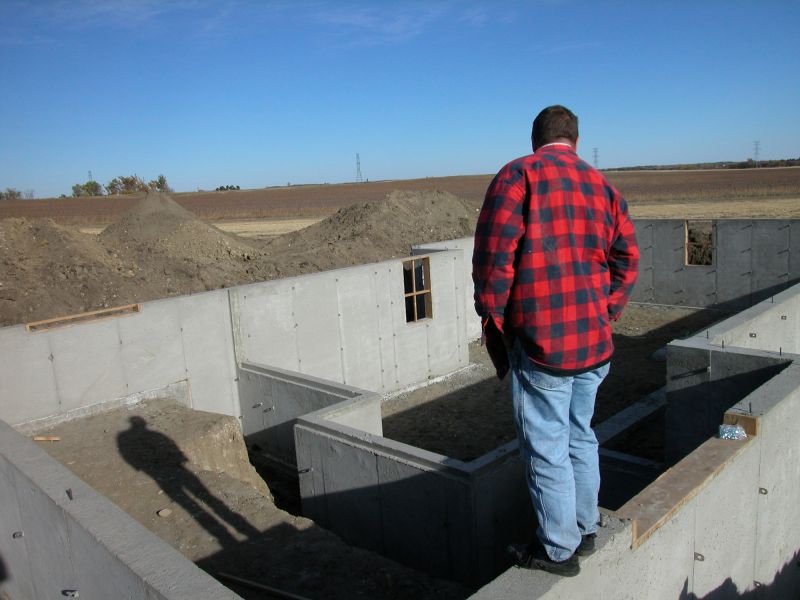

During a commercial foundation inspection, property owners can expect a thorough assessment of the building’s structural integrity. Local contractors typically begin by visually examining the foundation for signs of damage, such as cracks, uneven surfaces, or shifting areas. They may also inspect related structural elements like walls, floors, and support beams to identify any issues that could indicate underlying foundation problems. This process often involves checking for signs of moisture intrusion or drainage issues that could affect the stability of the foundation over time. Property owners might observe contractors using simple tools or equipment to measure movement or assess the condition of the concrete, helping to determine if repairs or further evaluations are necessary.
Many property owners look up this topic because they notice early warning signs like sticking doors, uneven flooring, or visible cracks in walls, which could suggest foundation concerns. Understanding what to expect during a commercial foundation inspection can help them prepare for the process and ensure that experienced local service providers evaluate their property thoroughly. These inspections are a valuable step in maintaining the safety and stability of a commercial building, providing clarity on the condition of the foundation and guiding future maintenance or repair decisions. Connecting with local pros who specialize in foundation assessments can give property owners confidence in the evaluation process and help protect their investment.
What happens during a commercial foundation inspection? During a commercial foundation inspection, service providers assess the foundation's condition by examining visible cracks, uneven surfaces, and signs of shifting or settling. They may also evaluate the surrounding soil and drainage to identify potential issues that could affect the foundation’s stability.
How do contractors check for foundation problems? Contractors typically perform visual inspections, use specialized tools to detect movement or cracks, and evaluate structural elements for signs of deterioration. This comprehensive approach helps identify existing issues and potential future concerns during a commercial foundation inspection.
What areas are examined during the inspection? The inspection covers the foundation’s exterior and interior, including walls, floors, and support beams. Service providers also inspect basement or crawl space areas, looking for moisture, cracks, or other indications of foundation stress.
What signs indicate a need for a foundation inspection? Visible cracks in walls or floors, uneven flooring, doors or windows that don’t close properly, and water intrusion are common signs that may prompt a commercial foundation inspection by local contractors.
What should clients expect during the inspection process? Clients can expect the inspector to perform a thorough visual assessment, possibly use tools for further analysis, and discuss any observed issues. The process aims to provide a clear understanding of the foundation’s current condition and any necessary repairs.
Understanding inspection scope - property owners can learn what areas and components will be examined during a commercial foundation inspection to prepare for the process.
Recognizing common issues - identifying typical signs of foundation problems helps owners discuss concerns effectively with local contractors during the inspection.
Preparing for inspection activities - knowing what to expect during a commercial foundation inspection allows owners to make necessary arrangements for access and site readiness.
Evaluating inspection findings - understanding how local service providers assess foundation conditions helps owners interpret reports and plan appropriate next steps.
If you are thinking about what to expect during a commercial foundation inspection for a property, this guide is meant to help you understand this topic, the typical project types, and how different options might fit your plans.
When you are ready, you can use the quote form on this page to share a few details about your project. From there, local pros can review the basics and follow up with options that match what you have in mind.